


Moving Images

Moving Images
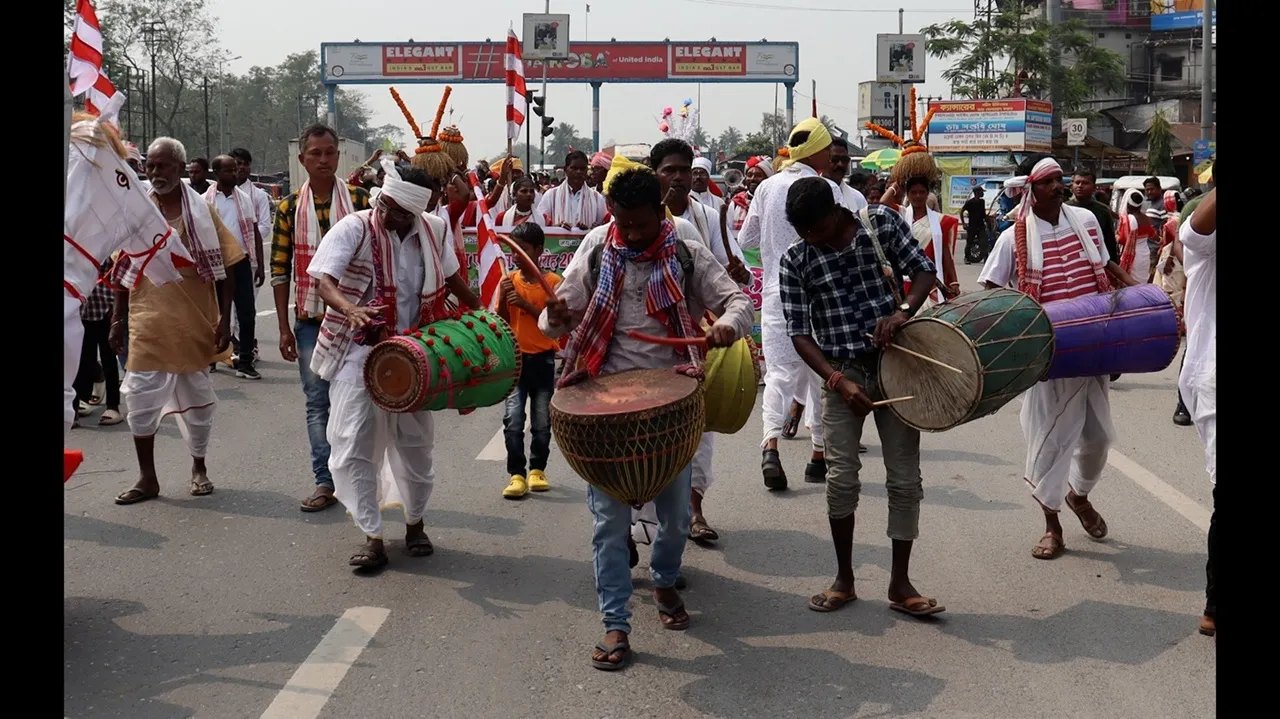
‘Becoming Adivasi’: Oraon/Kurukh Festivals of the Dooars Region
(26:59 minutes)
Pawan Toppo
A result of four years of sustained research and fieldwork, Becoming Adivasi is an ethnographic exploration of how the Oraon (Kurukh) community in the Dooars region of West Bengal continues to reaffirm and rearticulate their Adivasi identity through the cultural performances of festivals such as Sarhul and Karam. Tracing their historical migration from the Chhotanagpur Plateau during the establishment of tea plantations in 1865, the documentary highlights how these festival traditions serve as a vital link to their ancestral memory, ecological consciousness, and community solidarity and illustrates how ritual performances act as forms of cultural resistance and identity preservation in the face of socio-economic and historical shifts.
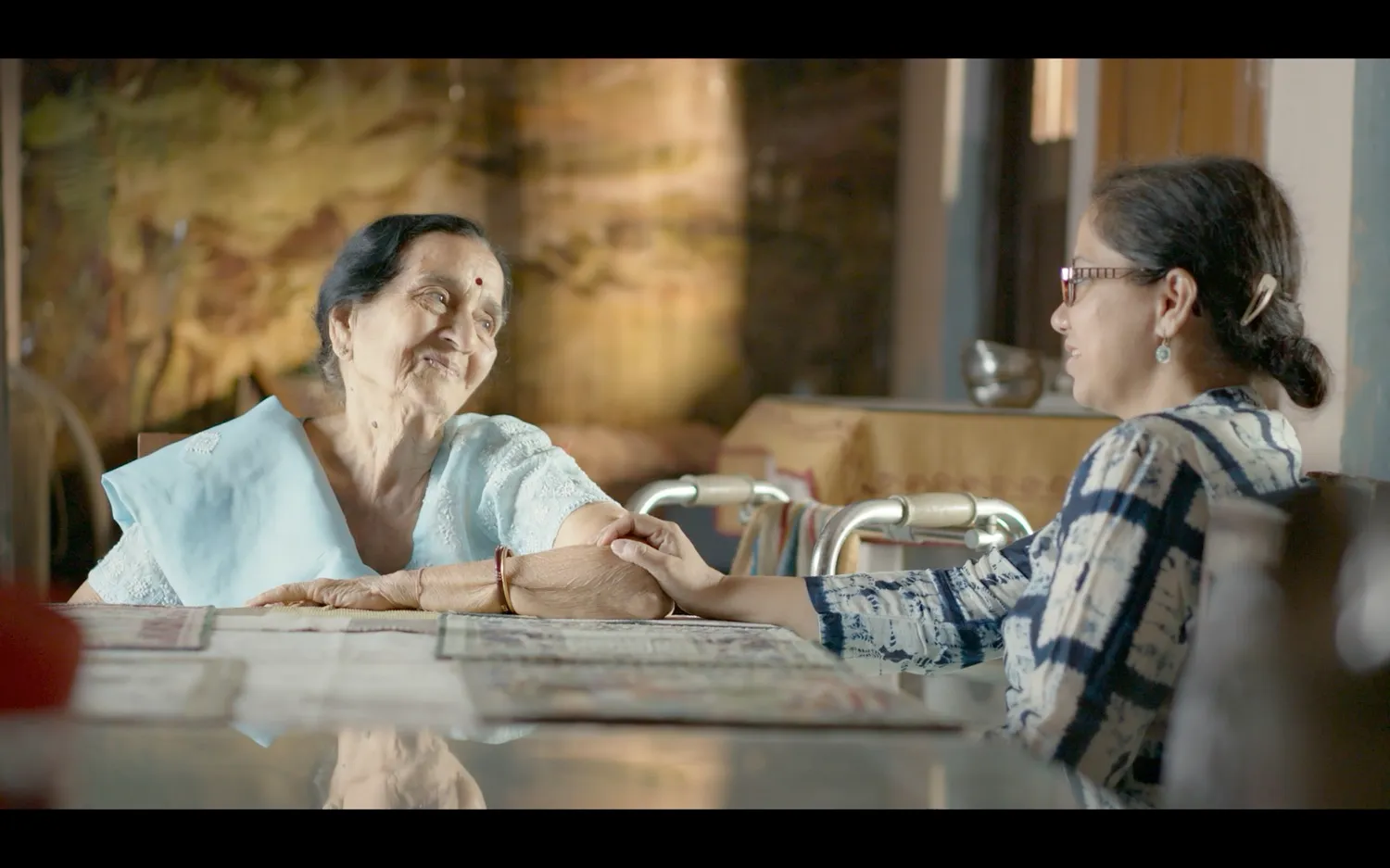
Aunty Sudha Aunty Radha
(2019, 49 minutes)
Tanuja Chandra
Two sisters, Sudha and Radha, 86 and 93, have a near-magical existence in their village home in North India, along with their entourage of domestic help. The film is a celebration of sisterhood and the joys inherent in daily life, while dealing with the complexities of ageing.
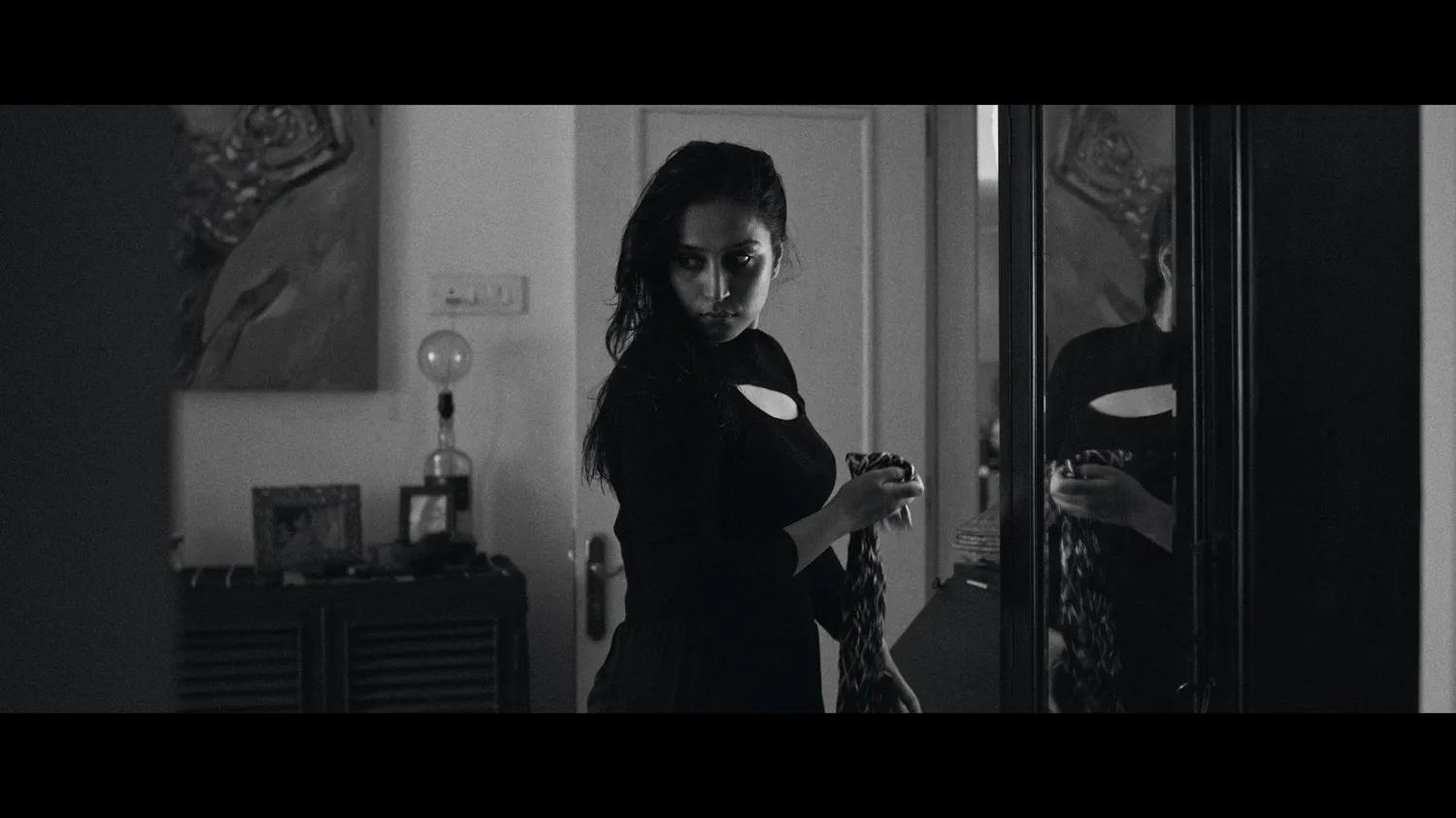
Bad Egg
(2022, 28:09 minutes)
Mehak Jamal
A tale of two sisters and the tangled webs they weave in the quest of being loved. Zoya receives a disturbing call from her mother. Her sister Zara has gone missing during the pandemic. Surprisingly, Zoya isn’t rattled enough. She’s hiding something, all of which leads back to the fateful night of a party. Throughout the film, Zoya interacts with her surroundings as if she’s re-calibrating to them. As the plot unravels, so does she. In this story, appearances can be very deceptive.
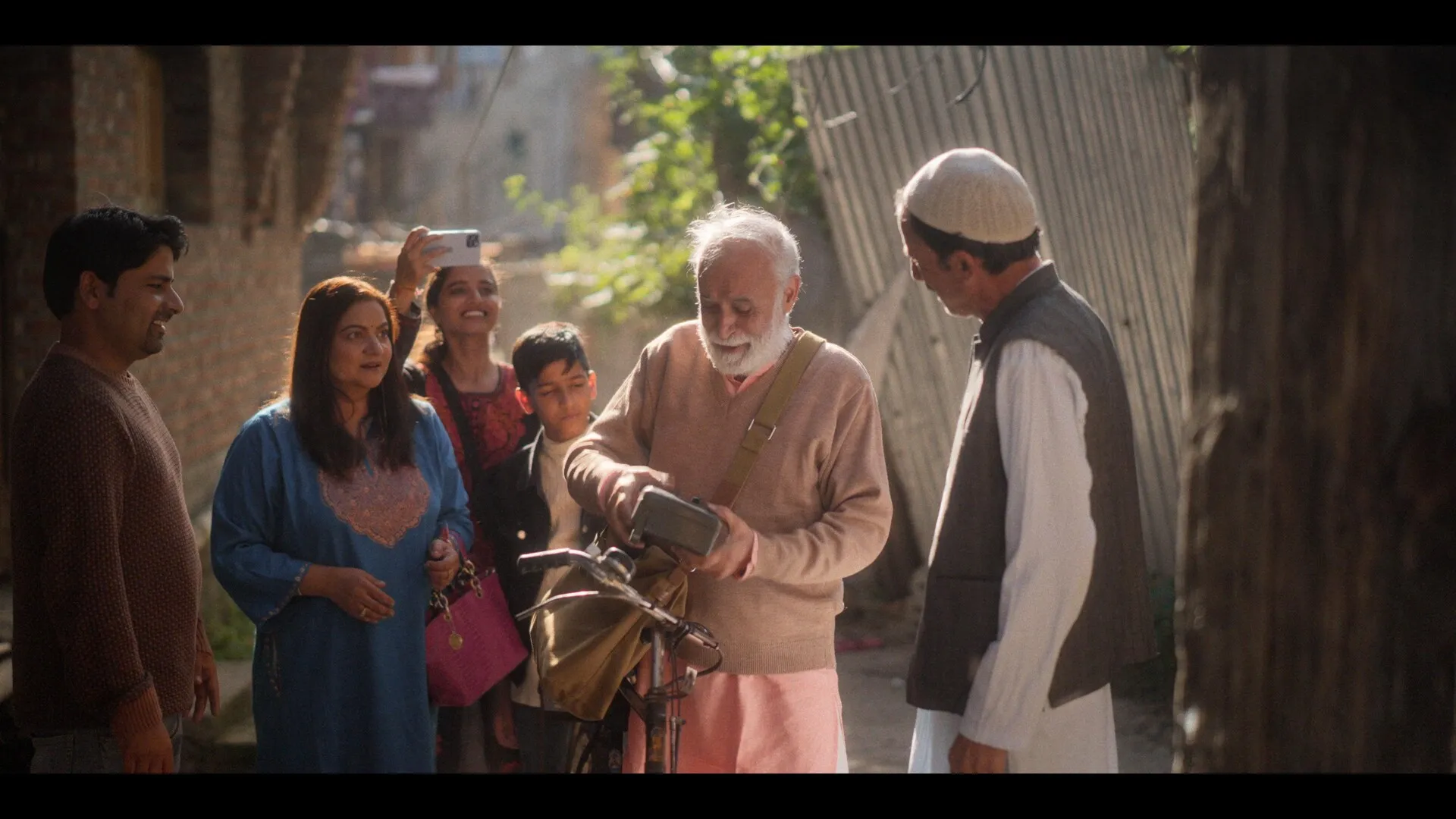
Batt Koch
(2025, 60 minutes)
Siddarth Koul and Ankit Wali
In the heart of a bustling city far from their ancestral homeland, a Kashmiri Pandit family juggles the complexities of modern life while caring for his grandfather, who struggles with memory loss. Following the recent passing of his wife, the grandfather is overwhelmed by a profound sense of void. For him, Kashmir has come to symbolise his late wife–a place that now represents the emotional connection he yearns to reclaim. Once indifferent to the idea of returning to Kashmir, he now feels a deep need to reconnect with his roots. The family’s eventual trip to Kashmir becomes a meaningful exploration of the grandfather’s grief and longing, as well as an opportunity to understand the current state of their displaced community. “Battkoch” meaning “Lane of Kashmiri Pandits” captures a family’s emotional journey and cultural roots.
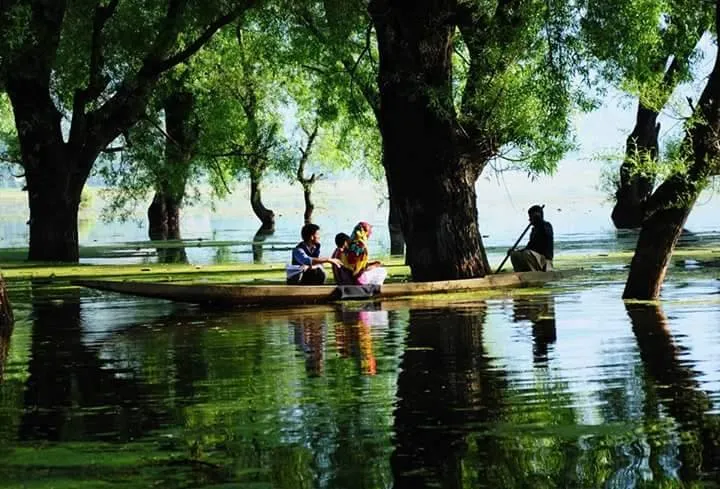
Goodbye, Mayfly
(2015, 21 minutes)
Siddhartha Gigoo
Summer of 2010. Kashmir oscillates between peace and violence. Two tender lives, unsure of their destiny, set forth on a dangerous journey. Only one of them returns.
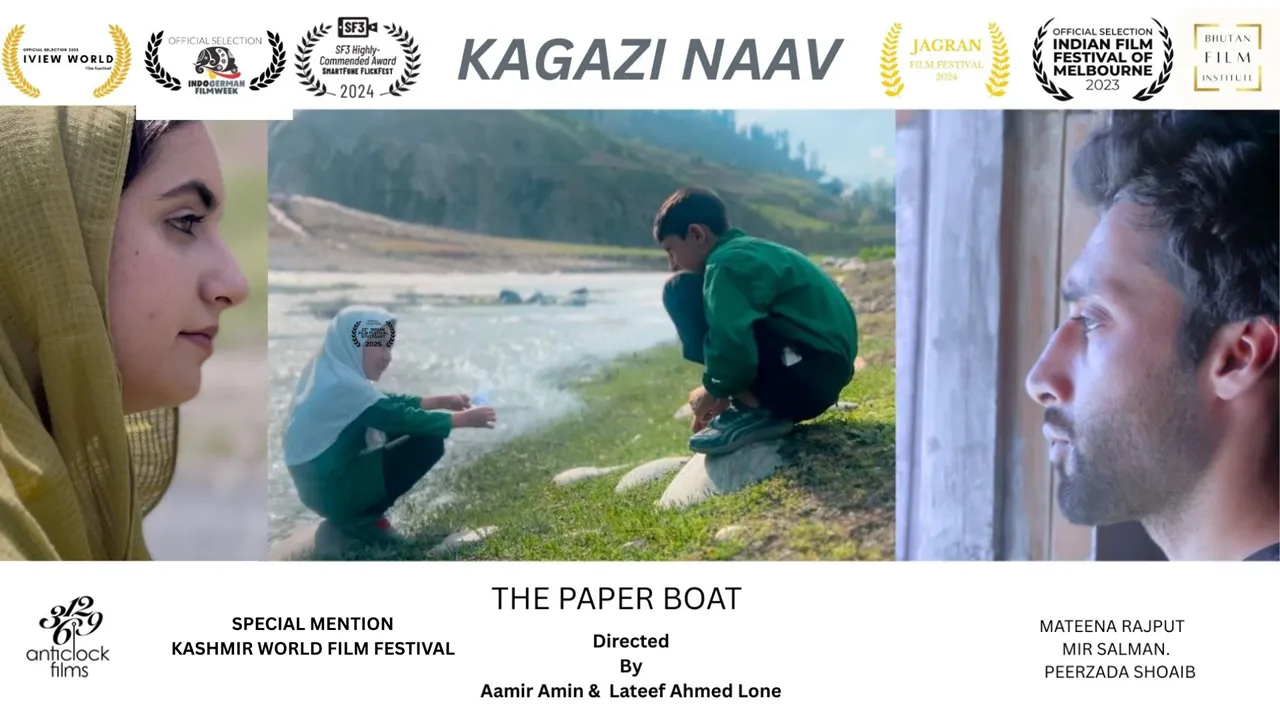
Kagazi Naav (The Paper Boat)
(2024, 17 minutes)
Aamir Amin and Lateef Ahmad Lone
Mehak and Sahir have grown up together in the remote village of Neru, in the Gurez District of Jammu and Kashmir. From being childhood friends they become young adults who realise that they are in love. When they approach their parents, however, they come to realise something they had never thought about. They belonged to two different castes and their families would not accept their relationship. Sahir, unable to face the situation, runs away to Mumbai to pursue his dreams. He returns home after three years to attend to his ailing father. That is when he meets Mehak once again…..
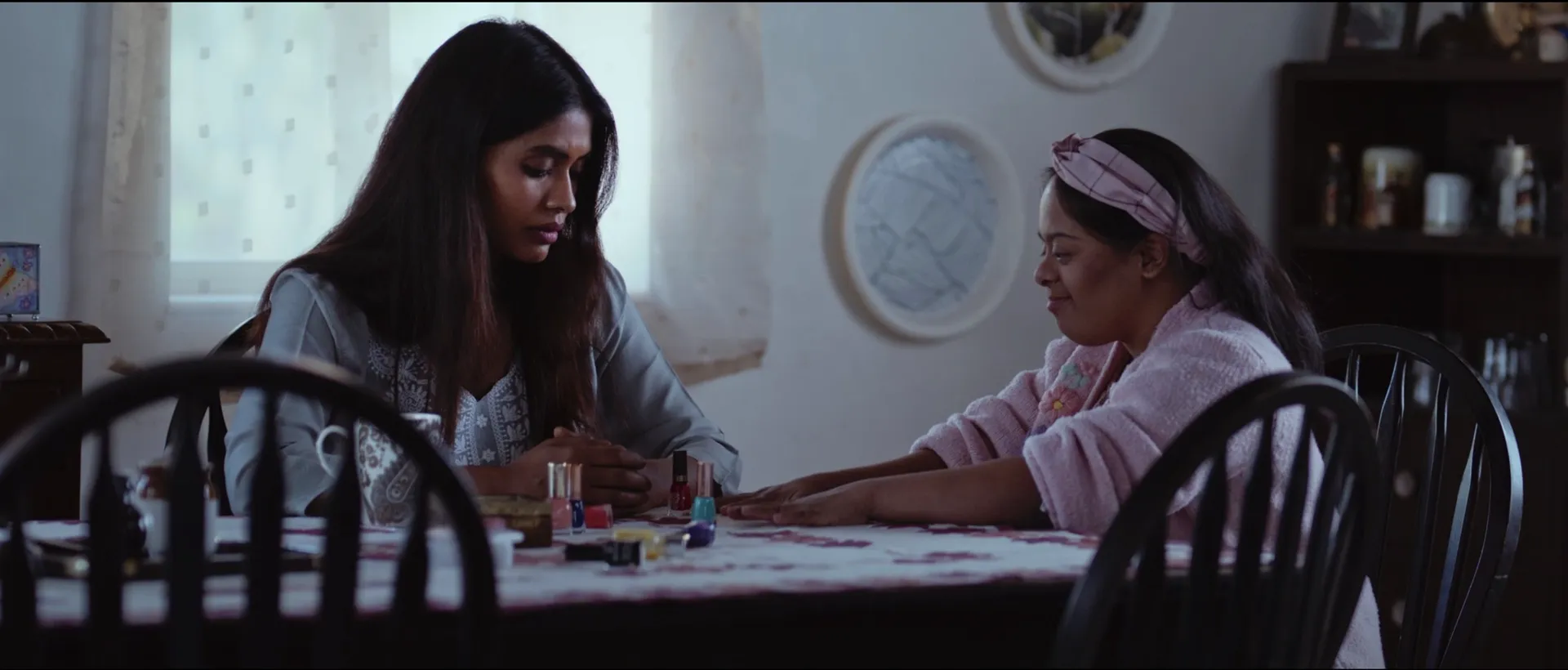
Nails
(2024, 15:44 minutes)
Triparna Banerjee
Two reclusive sisters live in their family house. Mony has Down’s Syndrome and her elder sister Dolly is a nurse at the local hospital. A medical school dropout, Dolly returned home after her mother’s suicide to take care of Mony. Their life is quite mundane. Dolly’s mornings start by preparing meals for the day and caring for Mony. Mony stays alone all day, conversing with her imaginary friend and sometimes with her dead parents. The girls spend their evenings watching TV. But their seemingly mundane life hides more than it reveals. The sisters have survived abuse. Dolly’s trauma causes her to take extreme steps for safety and survival, and Mony becomes the keeper of the family secrets.
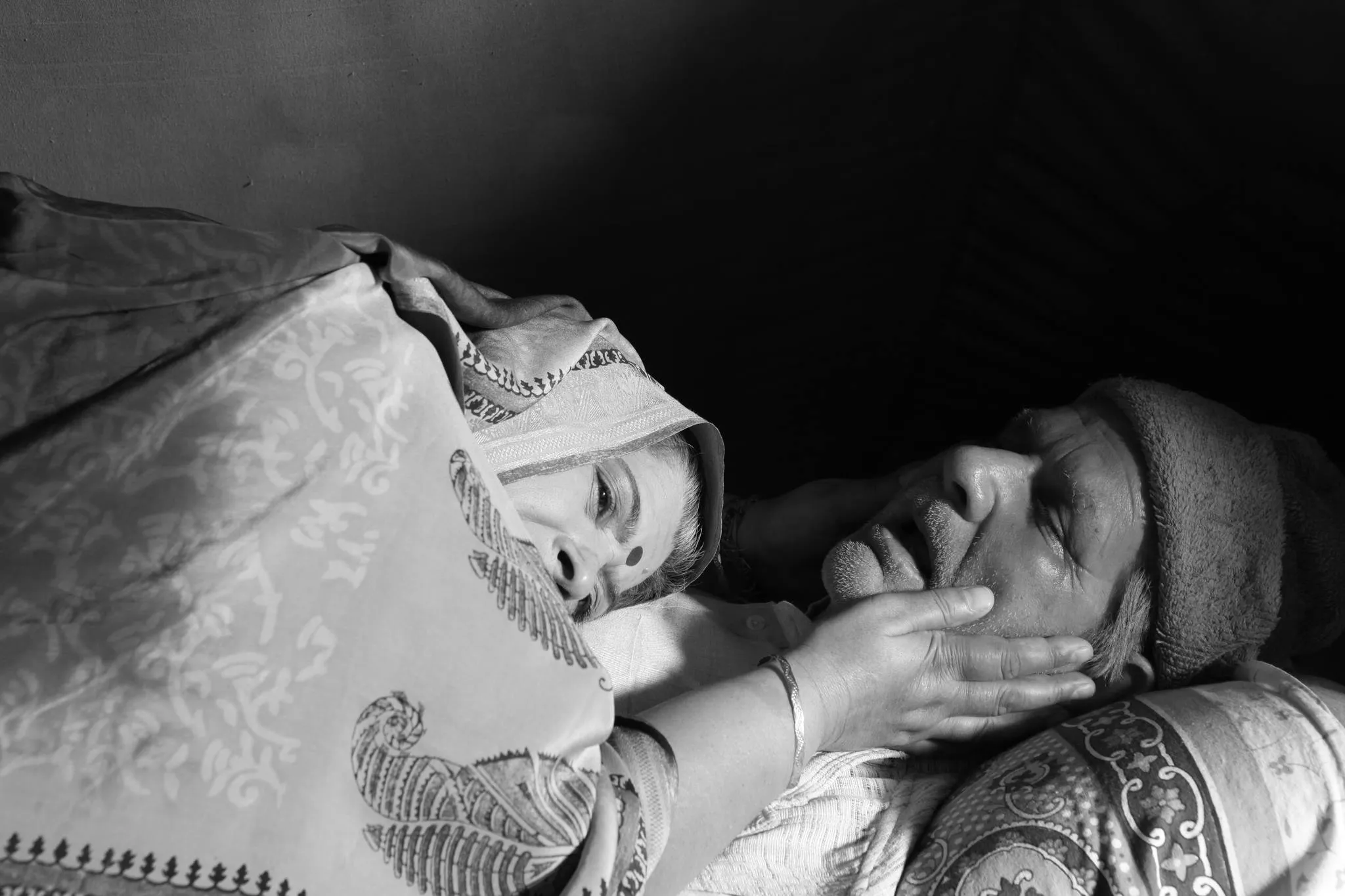
The Last Day
(2013, 13 minutes)
Siddhartha Gigoo
Set in 1994 in a camp for Kashmiri Pandit exiles, the film portrays four frayed lives in a scrawny 8 x 10 tent. Gossamer memories of a glorious past taunt their tawdry and uncertain present. An old patriarch (M L Saraf) is battling dementia on his deathbed. His wife (Bharati Zaroo) has lost the will to live. His son (M P Sharma) and daughter-in-law (Kusum Tiku) struggle for personal space. Will they ever find deliverance? Will they rediscover love? Will tomorrow be any different from today or yesterday? The river has all the answers, yet flows, eternally silent.
Together We Sing
(2025, 11:35 minutes)
Vikhar Ahmed Sayeed
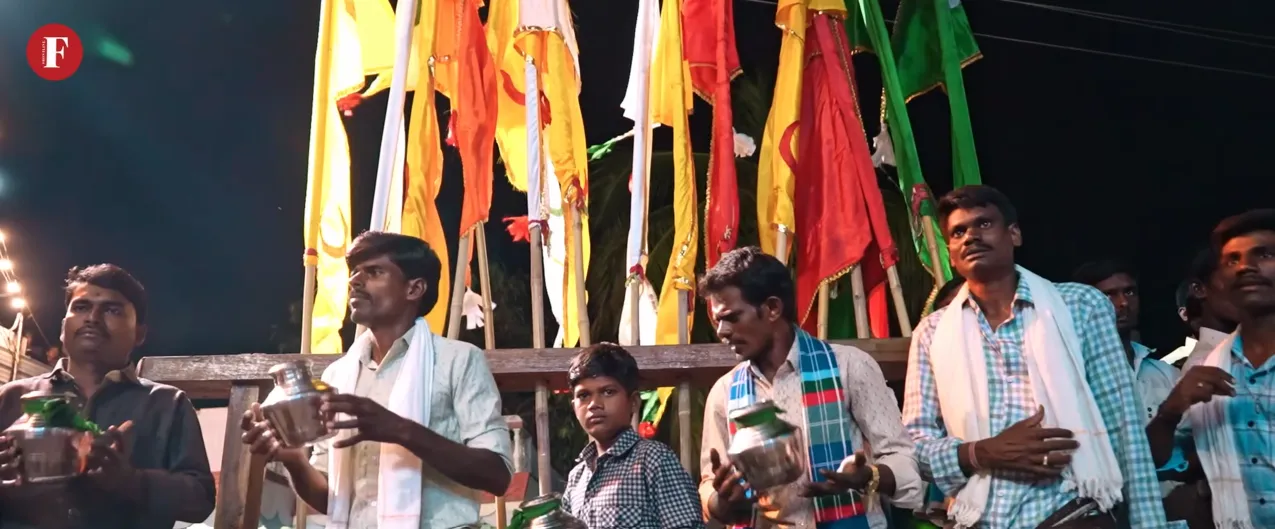
A Hindu farmer and a Muslim shopkeeper, side by side, carrying a sacred symbol through village streets. Children of all faiths learning songs that blend stories from different religions. An entire community, setting aside differences to celebrate as one. Together We Sing is a documentary that examines this distinctive cultural phenomenon in rural Karnataka. Here, the Islamic observance of Muharram has evolved into a community-wide celebration that transcends religious boundaries. The film presents an in-depth look at the Rivayat singers, whose performances combine elements from Islamic and Hindu narratives. It documents the practice of Hindu villagers adopting the attire of Muslim ascetics during the festival, a custom that symbolises interfaith respect and understanding.
We Are Faheem and Karun
(2024, 81 minutes)
Onir
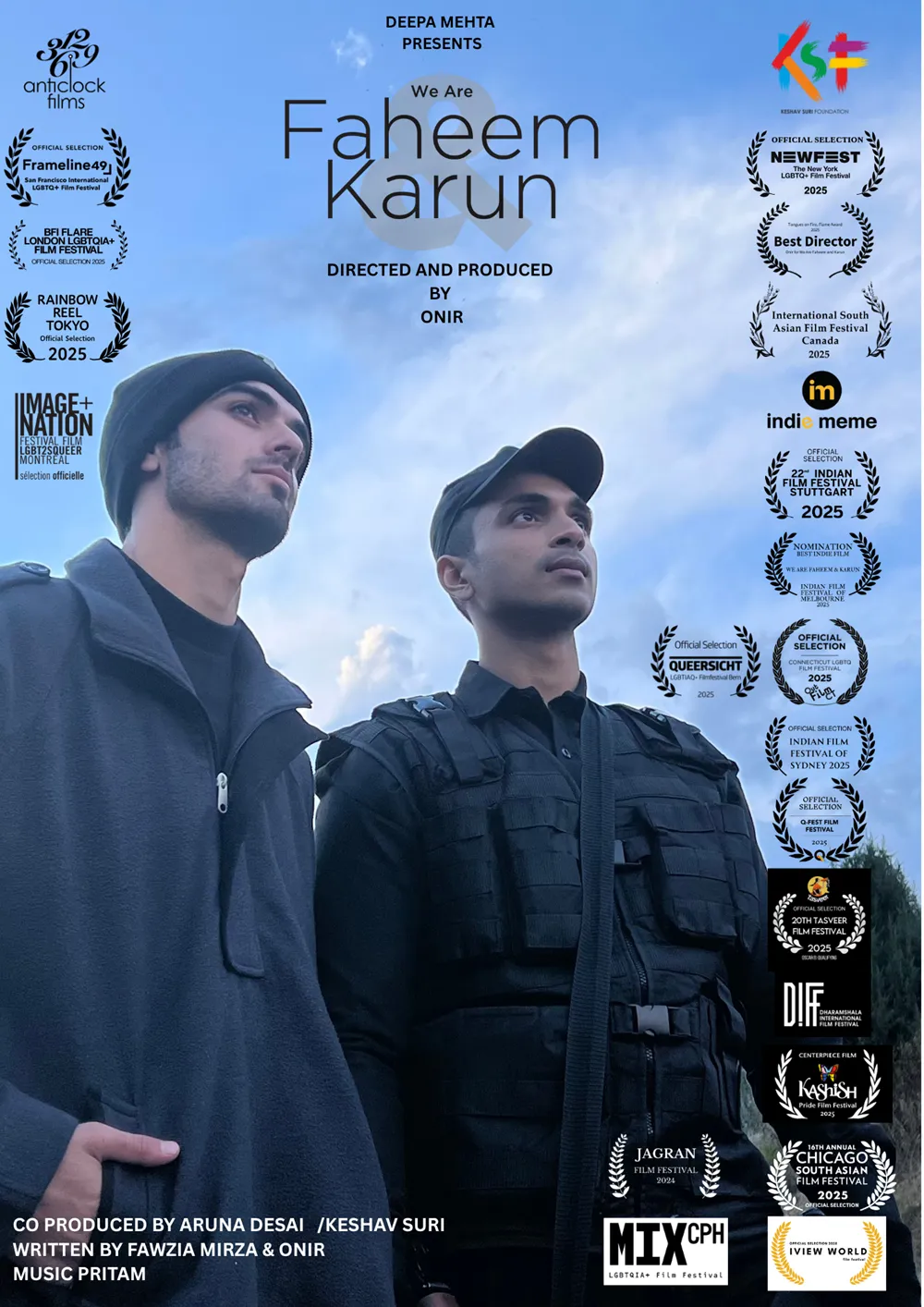
In a remote Kashmiri village, Karun, a reserved security guard, forms a forbidden bond with Faheem, a man torn between tradition and desire. Through stolen glances, online flirtation, and secret visits, their connection forces them to confront their beliefs and loyalties. Faheem’s angry brother and a society drowning in conflict clash with their tenderness, embodying the tension of a conservative culture and challenging their love in ways they never expected. But Karun’s hope shines in his eyes, just as his love does.
Festival Lineup
Discover the sessions, speakers, and stories waiting for you this year.
Literature
Books and Ideas
Kaavya Dhaara
Poetry Stream
Stage Talks
Creators’ Platform
Science & the City
Where Science meets Culture
Climate Conversations
Dreamcatchers
For Children and Teens
Youngistaan Nukkad
Youth Programmes
Indigenous & Endangered Languages
Storyweavers
Narratives for All Ages
Cultural Events
Interlude
Segue into Performances
Workshops
Exhibitions
Moving Images
Screenings and Interactions
Meet My Book
Authors’ Pitch